“Forever is composed of nows.” —Emily Dickinson
How does one weigh what is important in life against what may not be important, and make wise decisions on what to do, what to pursue, what to let go and when? How does one balance the decisions we make for ourselves with those made by other people which also affect us and sometimes have significant weight and bearing on our choices? How do we know when to ask others for help or advice, and when to simply gather ourselves and make our own decisions, whatever the outcome? Is it fair to do that when our decisions also affect other people, sometimes with a significant amount of the aforementioned weight and bearing? There are no easy answers, and we’re all just trying to do the best we can, but what if the best we can do is not enough? What then?
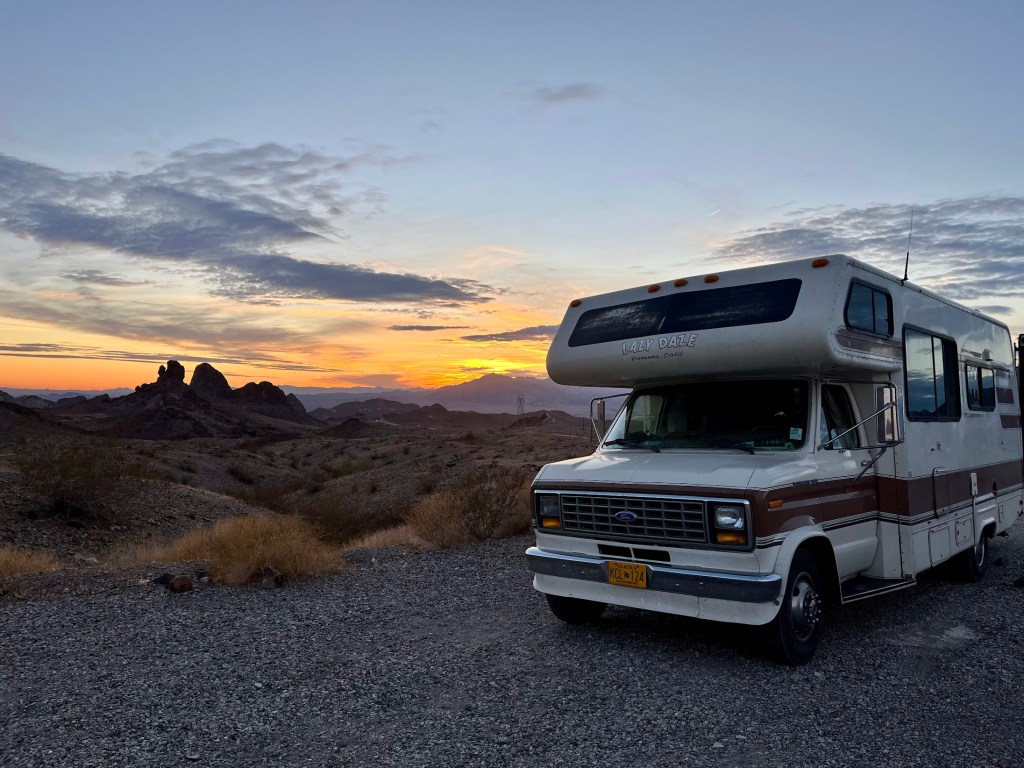
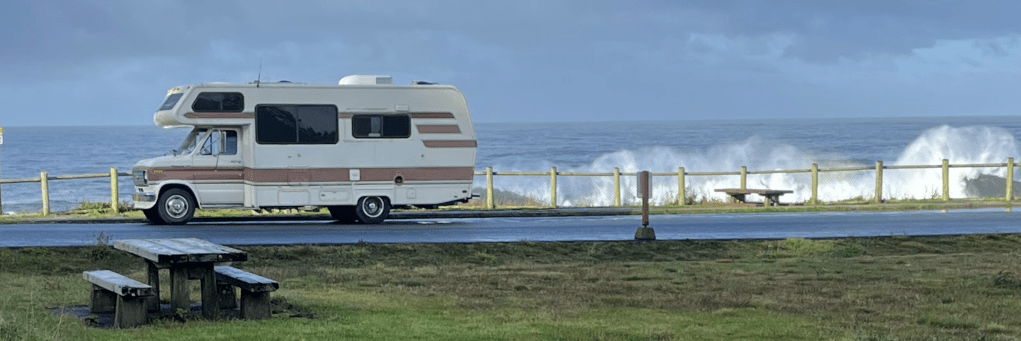
As most of my readers know, I spent last fall and winter traveling from Alaska to Arizona and back again, a nine-month odyssey in my 24’ motorhome which was, like most such journeys, totally awesome at times, frustrating at other times, and a few times so sad I just sat and cried and felt helpless. In other words, life went on as life is wont to do, heedless of the fact that I often didn’t know where I would wake up in the morning, although I always knew exactly where I was.
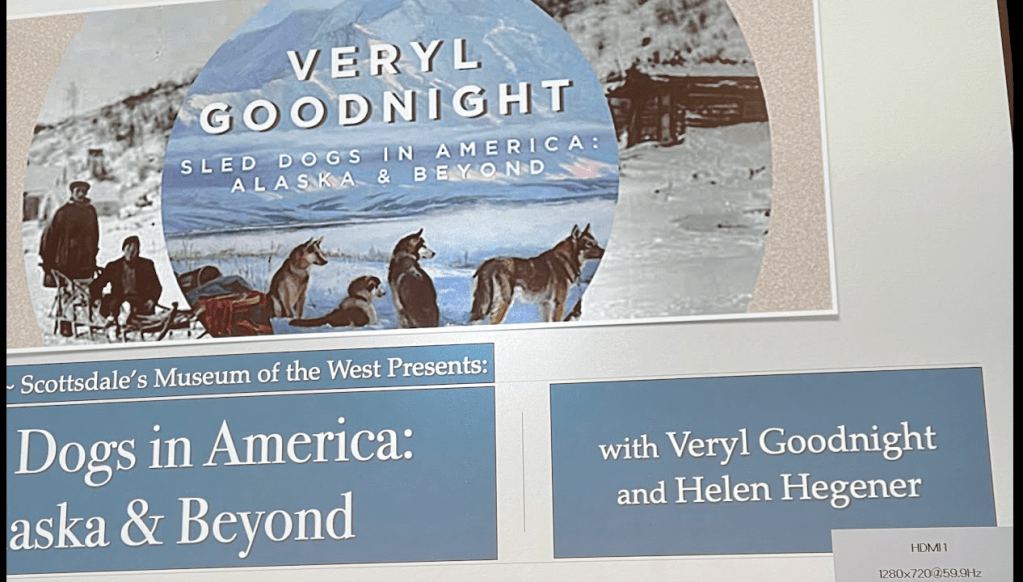
I wrote a few posts on Facebook sharing photos from wherever I was at the time with my family and friends, and two on SubStack, one last August and another in January, when I shared the reason for my trip—a presentation on the history of sled dogs with my dear friend and artist, Veryl Goodnight, for the Western Spirit Museum of the West in Scottsdale, Arizona. Three presentations, actually, and it was an absolutely splendid adventure in every respect! The post just before this one was written only a couple of weeks before our museum presentations last year. It’s been that long since I’ve written anything here.
I’m at home in Alaska now, happy to be back amongst my family and friends, but I find myself thinking about the trip a lot, wishing I’d stayed longer in one place or another, wondering why I took this road or that one at various times, and really wishing I’d spent more time visiting more of the friends I’d planned on seeing while I was Outside. Not long ago I learned one of those friends had passed away, someone who’d been very dear to me for many years, and who’d visited Alaska about 10 years ago, when we spent a delightful week exploring together—we’d both been looking forward to another such adventure, but an unexpected turn of events made me cut my trip short last spring, thinking we’d get together the next time I was Outside.
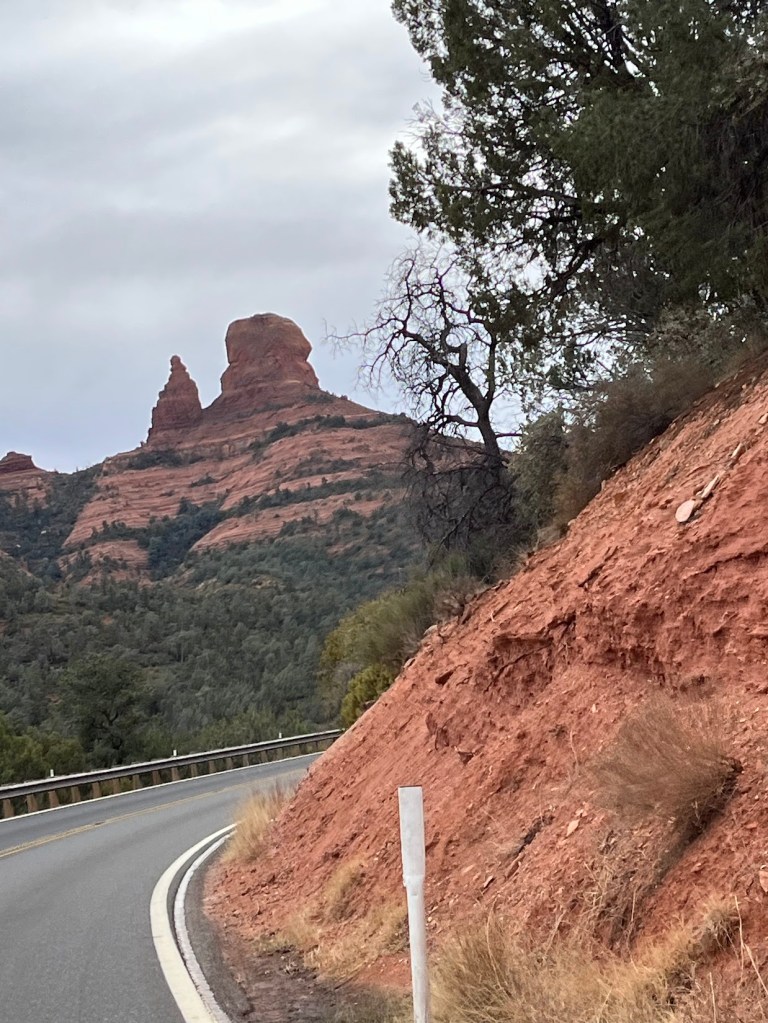
An opportunity missed, a friend I’ll never see again. I often think about all of the other friends I didn’t see last year, and I find myself wondering which of them will no longer be there when I go south again. Not having any idea when that trip might happen, I fear several more friends will not be there. Or maybe I won’t be here. At 76 that is also a very real possibility.
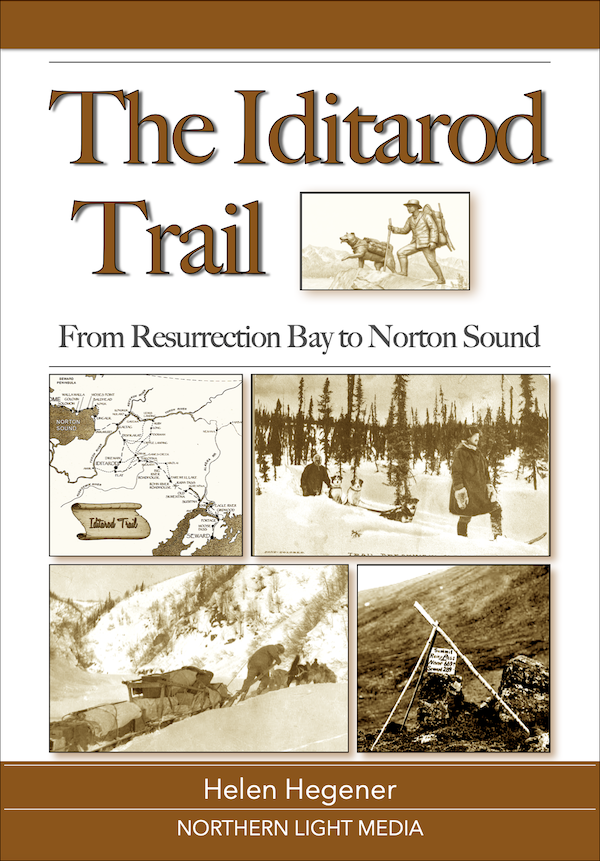
I’ve published a new book since returning, The Iditarod Trail: Resurrection Bay to Norton Sound, about the history of the northernmost Congressionally designated National Historic Trail. The book covers the history from the earliest travelers to the gold rush miners to the intrepid dog teams which carried freight, gold, and the U.S. Mail over the trail. The Iditarod Trail: From Resurrection Bay to Norton Sound, by Helen Hegener, published in March, 2026 by Northern Light Media. ISBN 9798252387352. 6” x 9” b/w format, 408 pages, over 200 photographs, indexed, bibliography, annotated references, extensive online resources. $29.95 plus shipping.
The Iditarod Trail was a fun book to write, and people keep asking me what book I’m working on now, and I don’t have an answer for them. I have lots of ideas, and half a dozen or so books in various stages of completion, and at least that many which should probably be revised and updated, such as the books about the roadhouses or the 1935 Matanuska Colony barns, but I have no idea when or if I’ll get around to any of those projects. Won’t be in the near future, as it’s almost springtime in Alaska, and that means we’re not far from the season for gardening, camping, fishing, and just exploring this beautiful state we live in. I’m looking forward to a good summer, and I hope you’ll have one too, wherever in the world you are.
Smiles, Helen
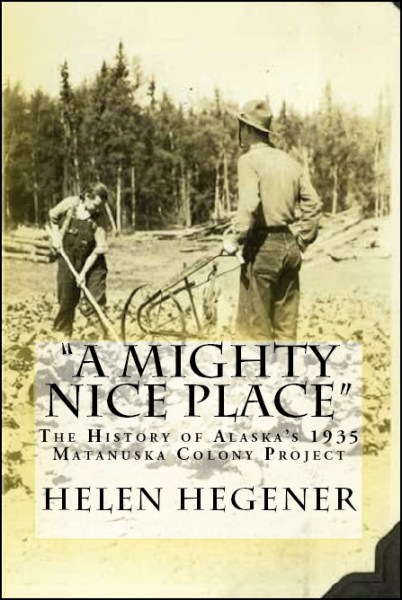 Fall and winter, on the other hand, are times for slowing down, gathering in, and reflecting on many things. Our lives, living in Alaska, those who lived here before us…. I recently finished editing a new* book,
  Authors always love to see book reviews, and this author is no exception. With a dozen titles currently in print I’ve seen quite a few reviews, but I still smile when one crosses my path, as
 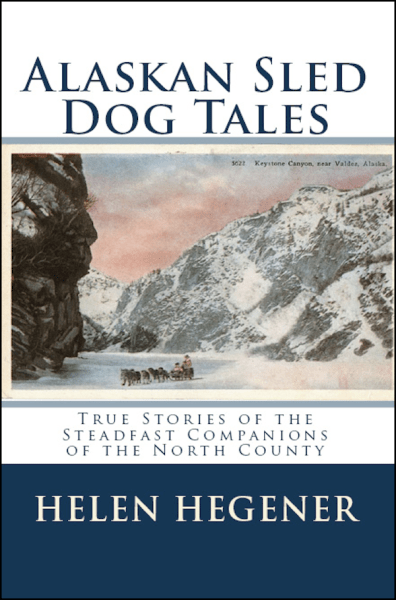 Yeah, that nicely captures what I set out to do with this book! David Fox shares some examples from my book, and then leaves me grinning with his parting shot: “These trustworthy creatures could be relied upon to do the heavy work, while remaining—as Hegener eloquently reminds us—our most treasured friends.”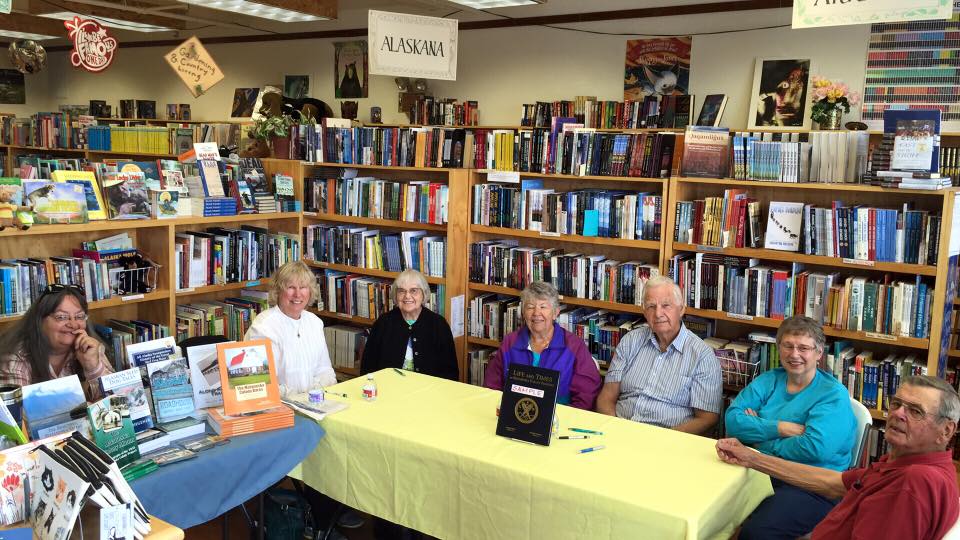
 People sometimes ask which musher is my favorite – speaking of the old-timers, not my currently-racing friends. It’s a tough choice, as there were some amazing mushers in Alaska’s history (and I write about many of them in my newest book,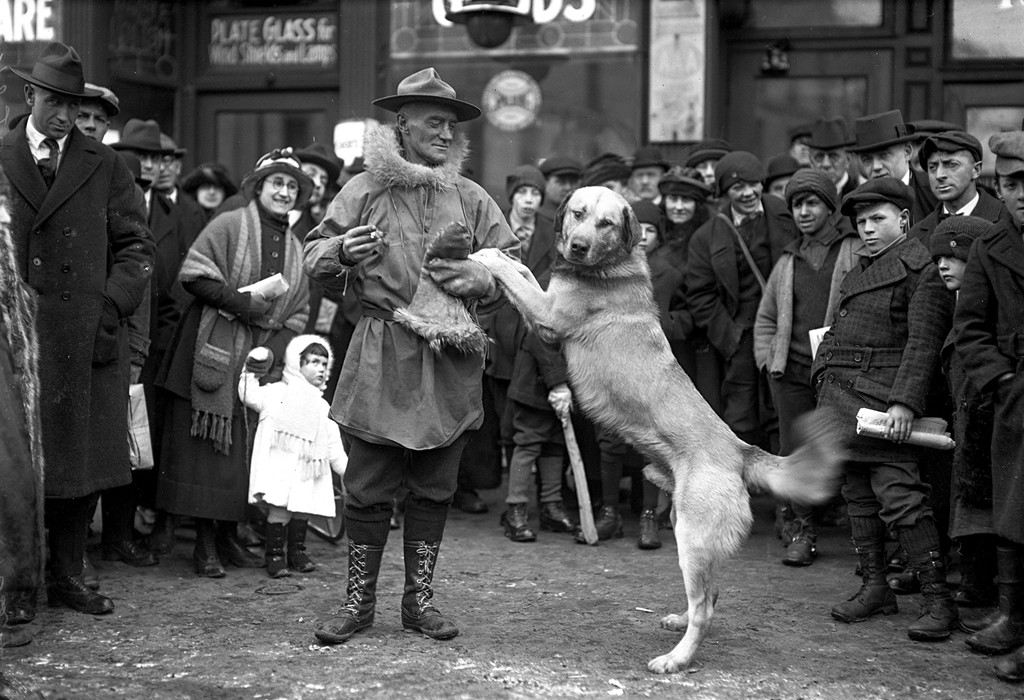
 I am not used to being fragile. I’ve been through car crashes, fallen off cliffs, thrown from horses, slipped on ice, and once had a mineshaft start collapsing while a friend and I were exploring, but all in all I’ve been lucky and have escaped major injuries in this lifetime. But two bad falls this week have left me sore and bruised and feeling rather shaken. Their sudden unexpectedness has left a grim reminder that we aren’t always in control of everything, and as they say, stuff happens.
 The first accident happened in – of all places – the local emergency care facility. My grandson and I were waiting in the car for his mom, and after a while the little fellow needed to use their restroom, so we were making our way across the parking lot when an uneven spot in the pavement tripped me up and I went down, hard. That bruised both knees and my wrist, and all three are still sore several days later.
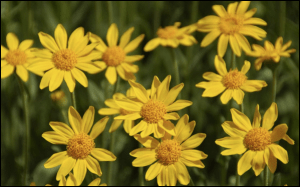 This morning I am limping, gimping, and having trouble raising more than a coffee cup. Arnica is my friend, and I’m going to invest in a heating pad since I loaned all of mine to others in need many years ago. Meanwhile, there’s a quote by Mark Twain, one of my favorite authors, about accidents.
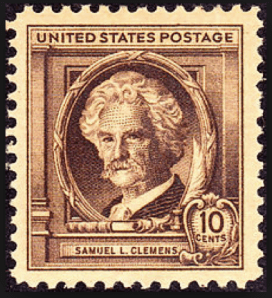 I only dimly remembered how it went, so I looked it up online: “There are no accidents, all things have a deep and calculated purpose; sometimes the methods employed by Providence seem strange and incongruous, but we have only to be patient and wait for the result: then we recognize that no others would have answered the purpose, and we are rebuked and humbled.” That quote is from “The Refuge of the Derelicts” published in Fables of Man, which was written in 1909. Knowing the context, I don’t think Twain had silly stumbling falls in mind when he wrote that, but no matter, it makes me feel better to think that perhaps there’s a reason for my accidents, even if it’s only message from the universe to slow down a tad.
 Alaskan Author Helen Hegener