Sled Dogs in the Desert

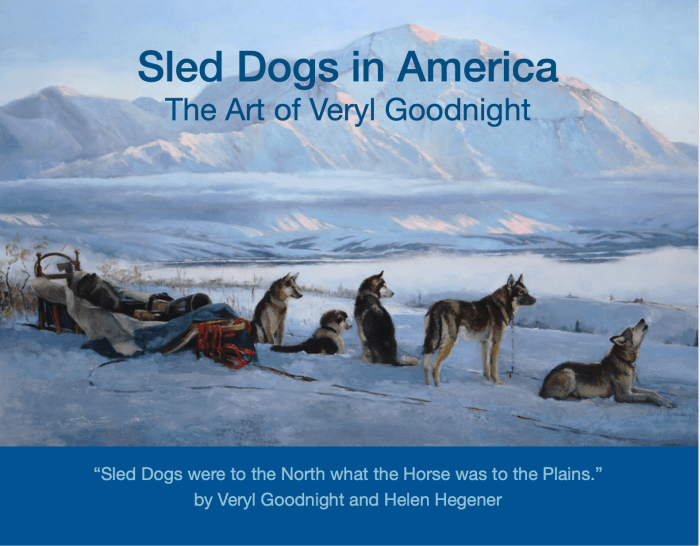
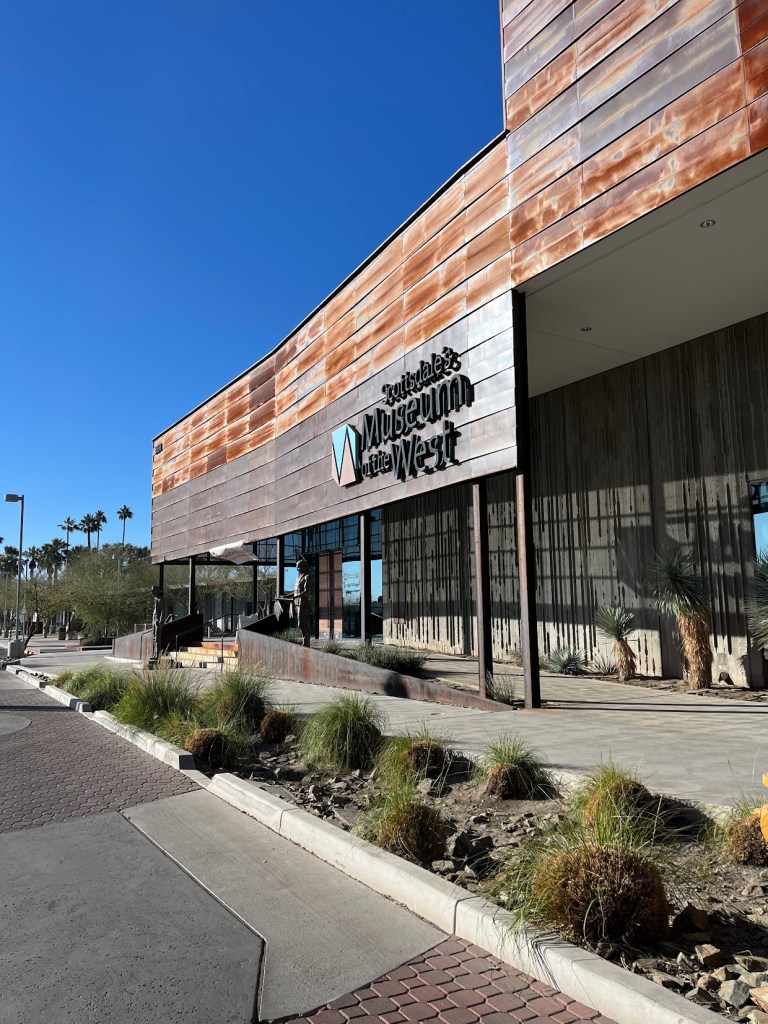
The important place of sled dogs in American history as portrayed by the amazing sled dog paintings of my friend Veryl Goodnight is the subject of the book I published in November: Sled Dogs in America: The Art of Veryl Goodnight, by Veryl Goodnight and Helen Hegener. Veryl’s historically accurate paintings have elevated the history of sled dogs to an exhibit at the prestigious Smithsonian-associated Western Spirit Museum in Scottsdale, Arizona, and Veryl and I will be giving two slideshow presentations at the museum on February 6th, followed by a reception. It promises to be an exciting event!
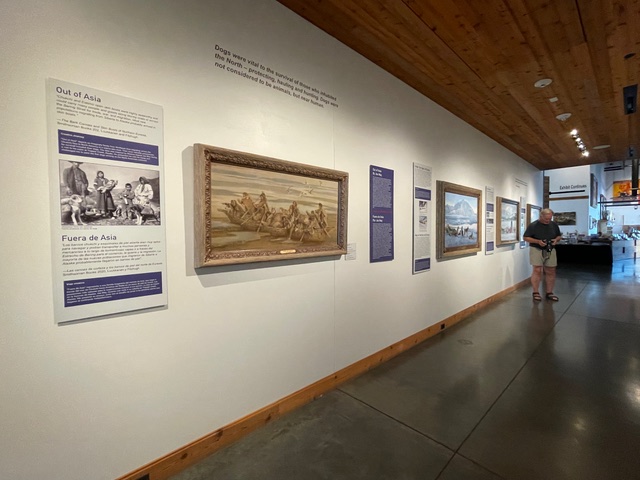
Running for nine months, through April, 2025, the unique exhibit we helped curate showcases not only the paintings done by Veryl, but includes the history behind the paintings as I researched it for my 2023 book, The History of Sled Dogs in North America. Also included are many of the props and supporting pieces Veryl used in creating her paintings.

Although I’ve seen many photographs of the displays, I got my first actual look at the sled dog exhibit last week, and it was quite humbling to walk into that very prestigious museum and see my name on the walls, along with the photos I’d researched and the history I’d written!

But just as thrilling was to see two of the titles published by my Northern Light Media on the top shelf of the museum bookstore!

Veryl and I signed their copies and marveled at the depth and quality of the other items for sale!
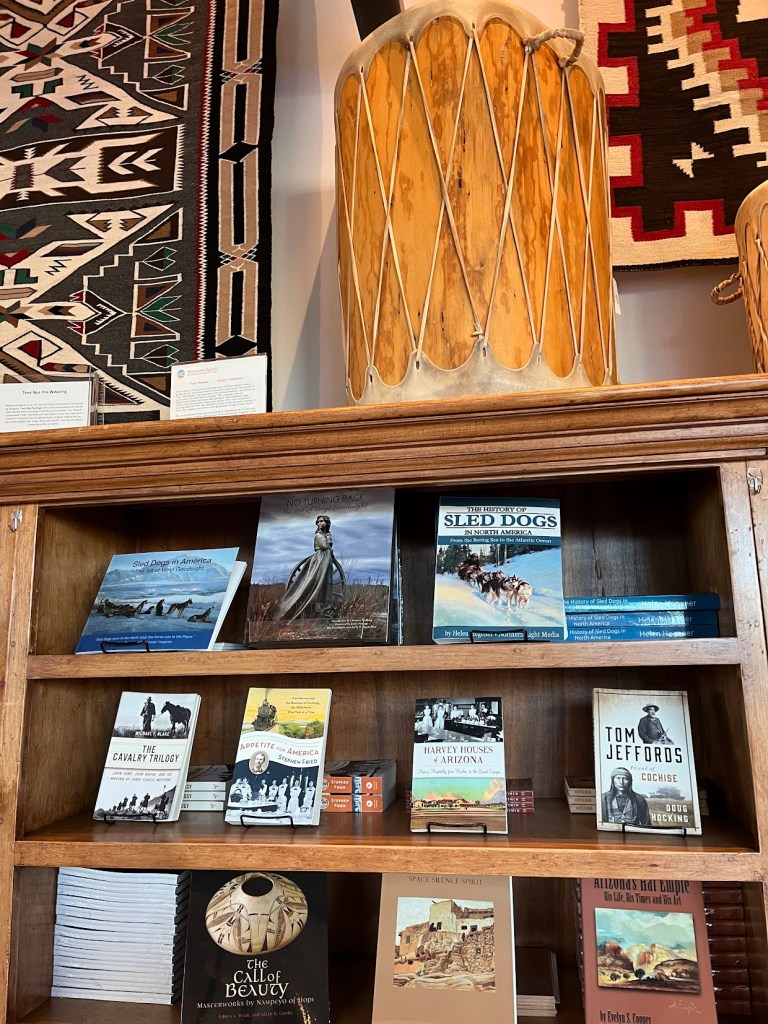
I smiled to see people walking through the exhibit carrying copies of the book Veryl and I had produced together, and it was wonderful to talk with the docents and the visitors about the history and Veryl’s beautiful artwork. Our visit last week was impromptu, but it gave us a wonderful advance look at how exciting it will be when we return to present our slideshow and talk on February 6th!
Booksigning

Fireside Booksigning
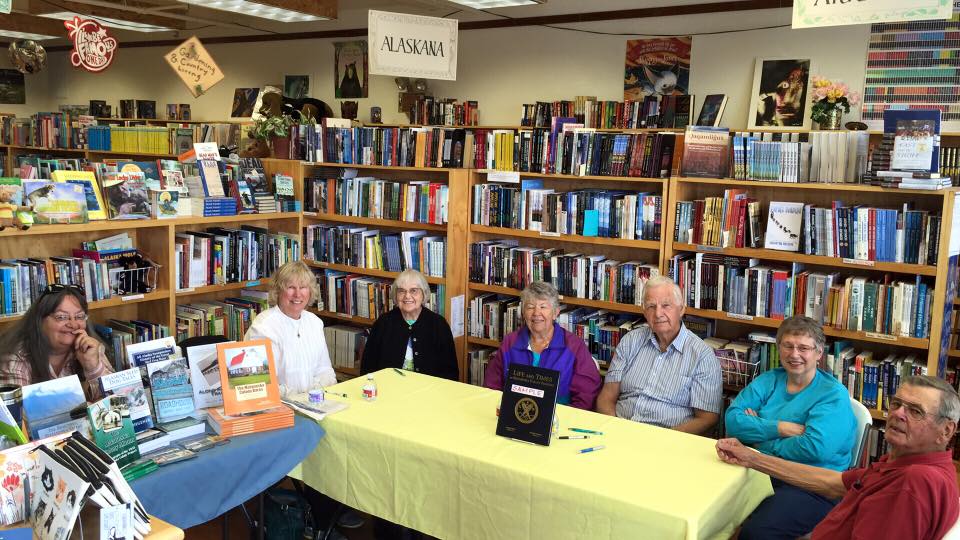
Booksigning at Fireside Books, photo by David Cheezem, owner.

It’s always fun and interesting to take part in book-related events, and I always learn a little more about the history my books touch upon when people who are familiar with those histories – or who lived the history – introduce themselves and we strike up a conversation. That happened several times on Friday when I took part in a four-hour booksigning at my favorite bookstore, Fireside Books in Palmer, highlighting my books about the 1935 Matanuska Colony Project. Also there for the booksigning were several Matanuska Valley pioneers and Sharon Benson, the co-author of another great book, The Life and Times of Matanuska Valley Pioneers.

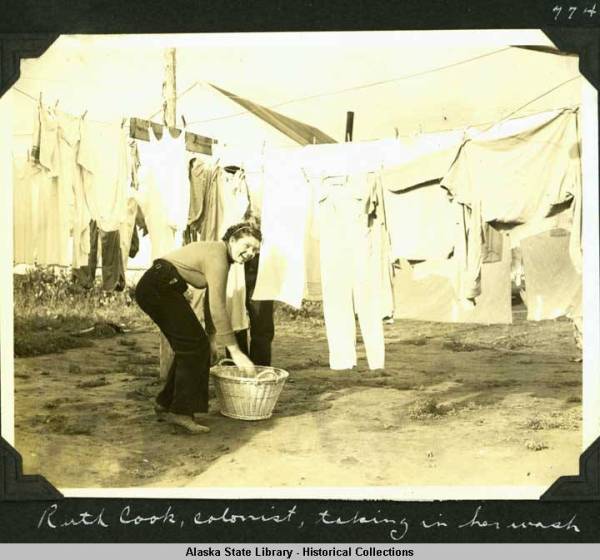
188. Ruth_Cook_colonist_taking_in_her_wash
Ruth Cook, Colonist, taking in her wash. Photo: Willis T. Geisman, 1935.

The history of Alaska and the Matanuska Valley are really nothing more than the compilation of individual stories, whether those stories are thrilling and adventurous or more mundane and everyday. Each person simply going about their daily lives contributed (and continue to contribute) to the whole which we know as history, and when people start talking about their own personal histories, or those of their family members, friends, or even just people they’ve known, the entire process of history-making is given a clarity which I always find fascinating and rewarding. It’s one thing to write about the design and construction of the Colony barns, but quite another thing to have someone tell about working in one, milking cows and loading hay into the hayloft one summer forty years ago.

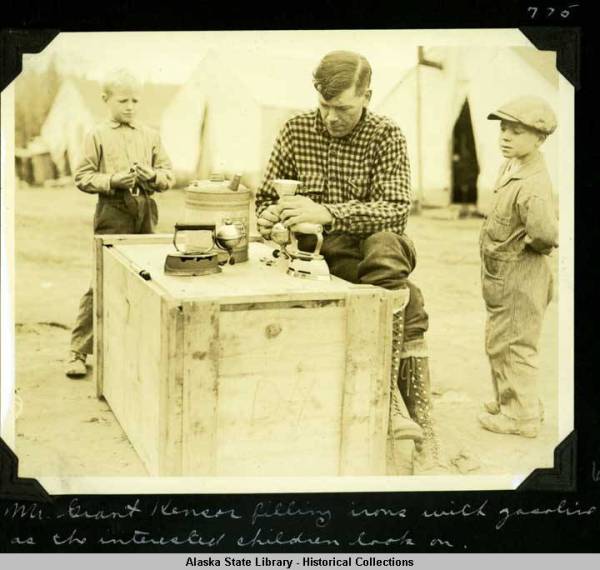
189. Mr_Grant_Kensor_Kenser_filling_irons_with_gasoline_as_the_interested_children_1ook_on
Mr. Grant Kensor filling irons. Photo by Willis T. Geisman, 1935.

During the writing of my book on the Colony Project I was able to access the original records at the National Archives office in Anchorage. The office has now been closed, and the records have been moved to the National Archives office in Seattle. Toward the end of the day on Friday a young couple came into the bookstore and I learned that the young man’s parents had been Colonists, and sure enough, we found their name and tract number in my books. I explained about the original files for the Colony families being at the National Archives, which sadly had been moved to Seattle – and learned that the couple lived in Seattle and were only visiting friends in Palmer! They were very excited to learn how they could research their family’s history upon their return to Seattle!

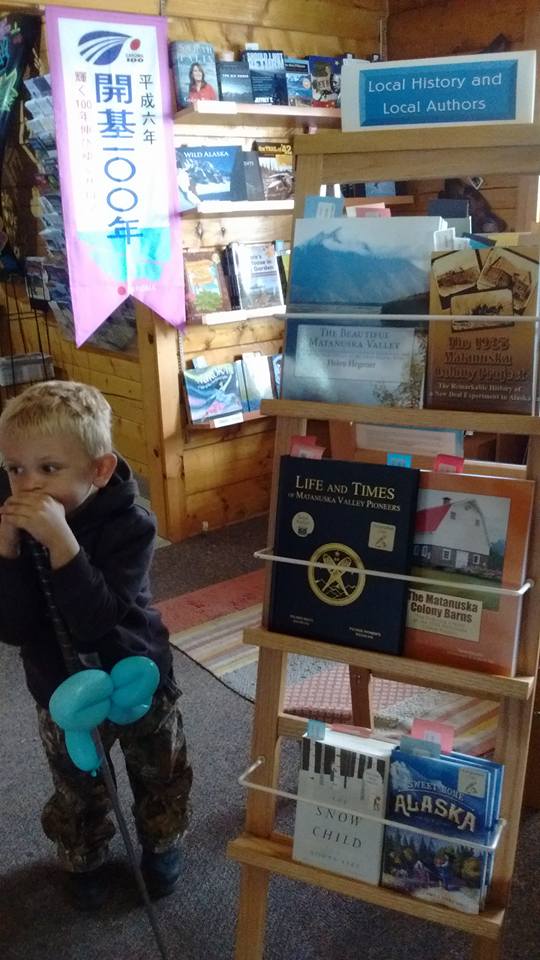
The day after the booksigning I was walking around Palmer’s Colony Days celebration with my grandson Collin and was excited to see four of my books featured at the local museum and visitor’s center. Collin was patient with me in the museum, but it’s not hard to see that he was more than ready to get back outside to the “good stuff” again!

Collin and my books


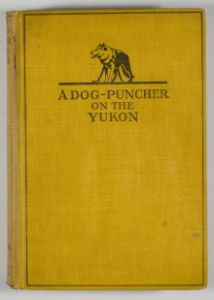
Dog-Puncher on the Yukon

Dog-PuncherPeople sometimes ask which musher is my favorite – speaking of the old-timers, not my currently-racing friends. It’s a tough choice, as there were some amazing mushers in Alaska’s history (and I write about many of them in my newest book, Alaskan Sled Dog Tales), but one which is always near the top of my list is Arthur Treadwell Walden, author of “Dog-Puncher on the Yukon.” Here’s an article about him, and a great photo which I don’t remember seeing before:
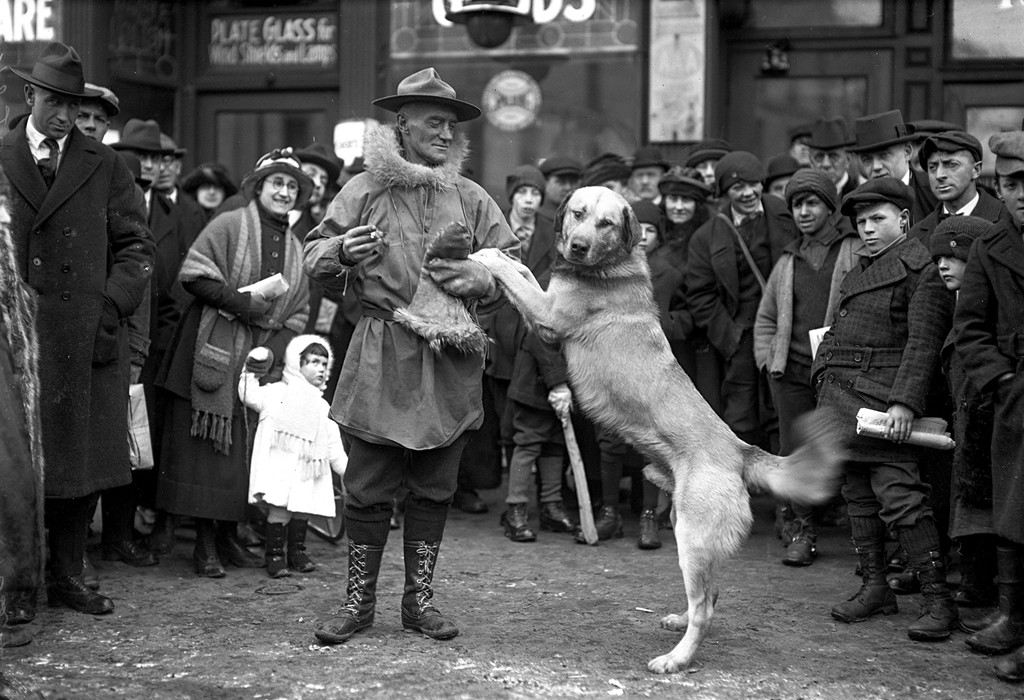
Walden and Chinook

“Part adventurer, part showman Arthur T. Walden of Wonalancet, New Hampshire, dazzles the crowd with his sled dog Chinook at the Winter Carnival in Portland in this photograph published on the front page of the Evening Express on February 11, 1922, the same year that the intelligent, loyal canine led Walden’s team to victory in the first Eastern International Dog Derby, a 123-mile race. Then 5 years old, Chinook, bred from a mastiff stray and a descendant of Admiral Robert Peary’s Greenland husky Polaris, was on his way to becoming the most famous dog in America. His future achievements would include leading the first dog team ascent of Mount Washington, a treacherous undertaking that many had considered impossible.”

Read more at this link.